At ten o’clock on a snowy Minneapolis night in 2022, the cast bus shuddered to a stop in the parking lot of an Afghan shopping center. The dancers inside had been expecting to sleep through the long, eight-hour drive to Chicago, where one of the tour’s most important performances awaited the next day. Instead, the engine refused to cooperate, revving stubbornly but refusing to climb above twenty miles an hour. The snow thickened, the temperatures dropped, and the clock kept moving forward.
Standing outside in the freezing dark, the tour manager, together with the crew’s driver, Bryan, and the show’s producer, Dan Talmi, tried to solve the puzzle of how to move fifty dancers across state lines by dawn. The mechanic eventually threw up his hands and went home—time was ticking, temperatures were dropping. The dancers could not be loaded onto the crew bus—it was legally capped at thirteen passengers. Canceling Chicago was unthinkable.
“I remembered my airline knowledge,” the tour manager said. Delta had a hub in Minneapolis, and by a miracle, there were just enough seats left on a morning flight. He found rooms at the airport Hilton and, in another twist of fate, a group of men drinking late-night coffee in the shopping center offered their SUVs to ferry the dancers to the hotel. By three-thirty in the morning, after hours of emergency bookings and near-panicked calculations, he finally collapsed in his room, only to rise again an hour later to shepherd forty dancers onto planes bound for Chicago. The show, as the old promise goes, went on
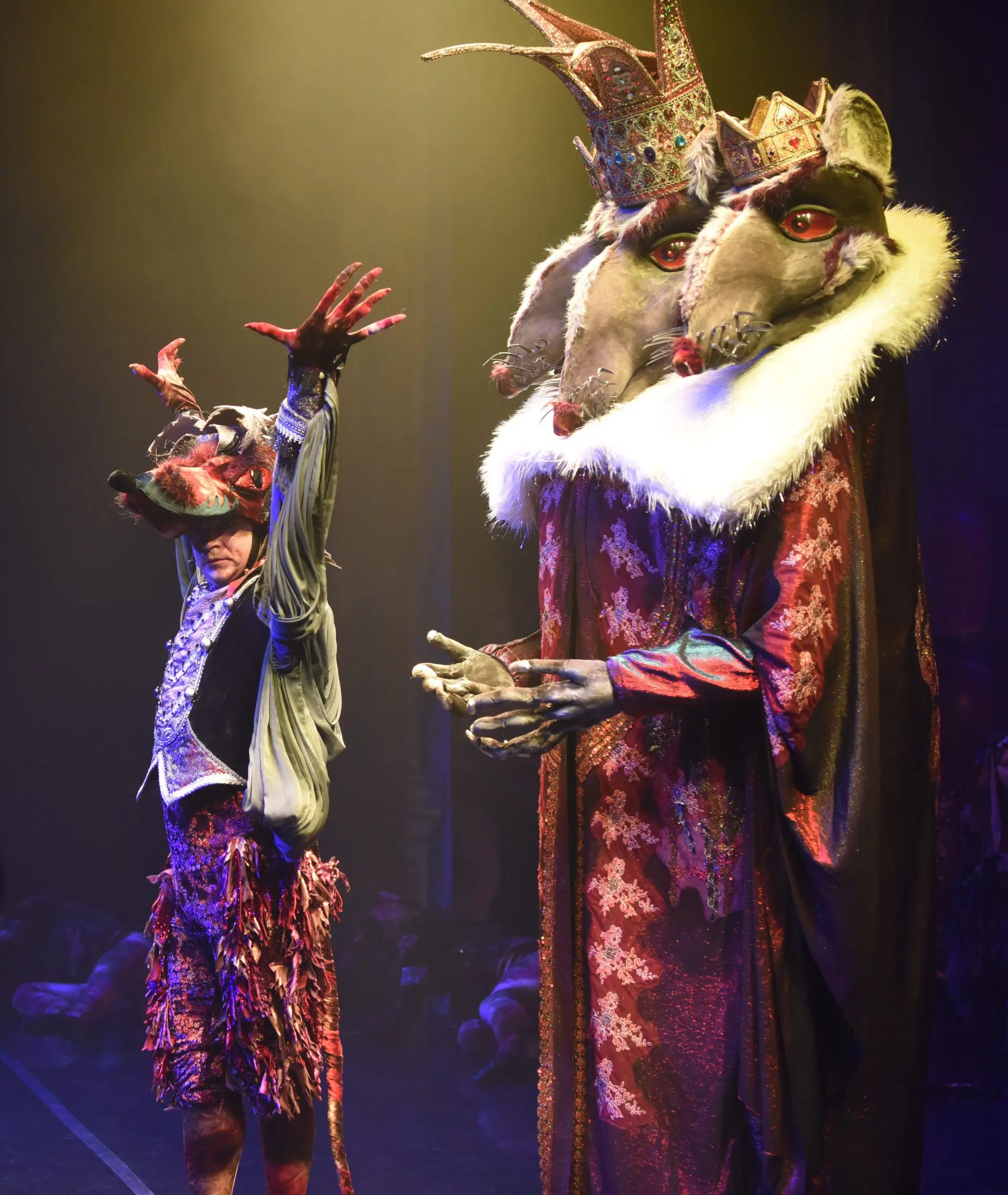
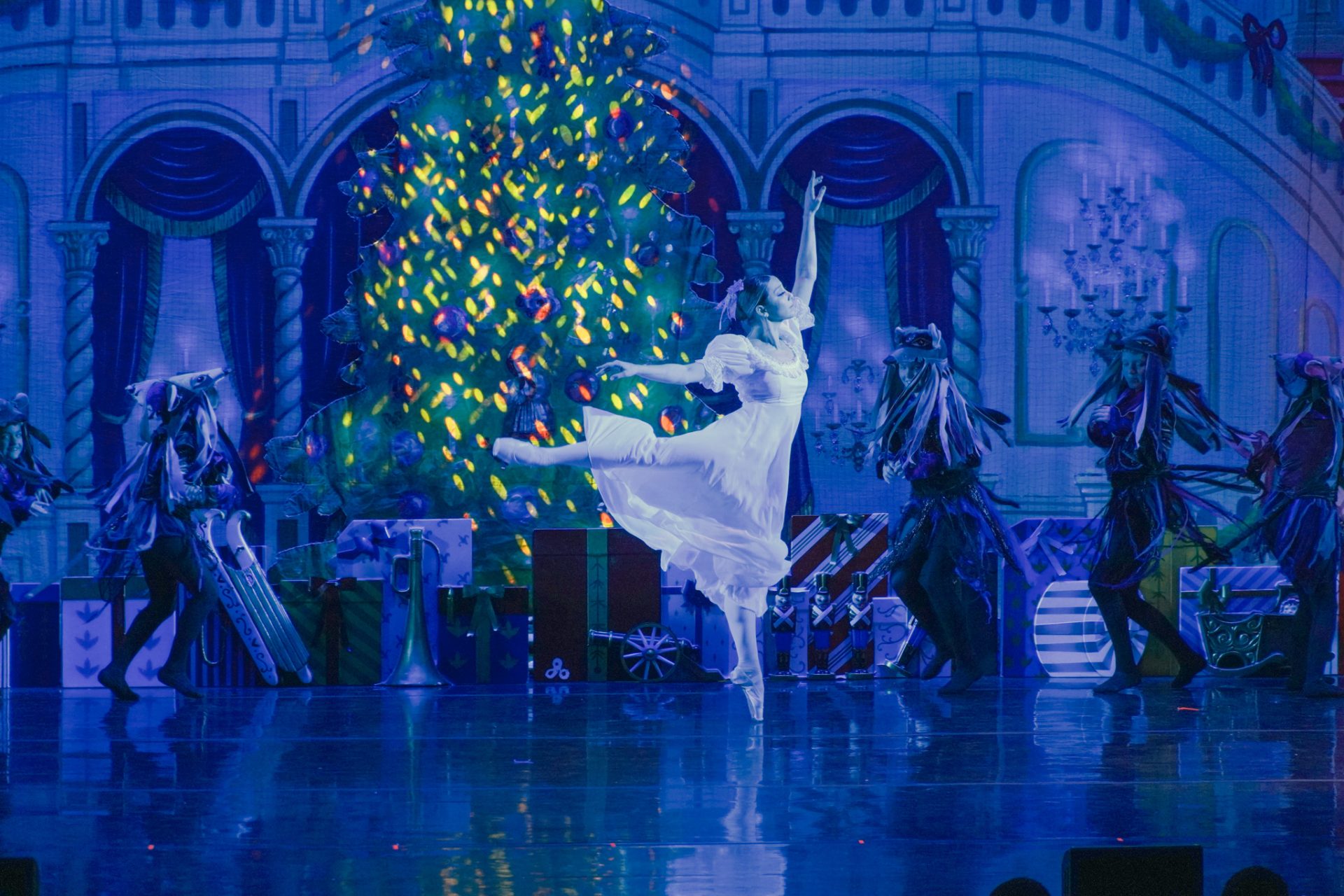
That night in Minneapolis, with its combination of crisis and improbable rescue, is a microcosm of what it means to manage a ballet company on tour. Audiences see the snow fall, the Christmas tree grow, the children scamper across stage. What they do not see is the ecosystem of managers, drivers, crew members, and coordinators who conjure order out of constant motion.
The Nutcracker is not a typical concert tour. In pop music, shows are often routed by geography and day of the week, ensuring a rhythm of travel and rest. Ballet, by contrast, obeys a different logic. Its schedule is dictated by tradition, by the holiday season, and by the demand for precision. “Nutcracker is not routed like an average tour,” the manager explained. “That makes it complex. But I’ve been with my driver, Bryan, for four years. We know each other’s needs and thought processes. We still meet every day to go over the route, the stops, the plan.”


Flights are another frontier of uncertainty. The dancers come from across the globe, sometimes from remote corners of Eastern Europe or South Asia. They must be delivered not just to New York or Chicago but to smaller cities where the company rehearses or performs—“globally isolated places to domestically isolated places,” as he put it. He builds in extra layover time, sends dancers ahead when possible, and monitors weather obsessively. But the true trick, he said, is loyalty. By concentrating bookings with a single airline, he has earned elite status that unlocks the kind of fast, human assistance that, in a crisis, can mean the difference between a canceled show and a salvaged one.
Keeping the company aligned requires its own infrastructure. Their digital anchor is an app called Master Tour, “the concert industry’s equivalent to Microsoft Suite.” Schedules, notes, contacts, weather updates—all live there, updated in real time. A running joke is that any question for the tour manager will be met with a simple refrain: have you checked Master Tour? Each night, he also circulates a daysheet with schedules and notes, plus a small gift: a random fact about the city they’re in, a way of tethering the grueling routine to some sense of place.
What most people would never guess, he said, is that he has seen the full Nutcracker only once. “When we’re on the road, my prep time for other shows is ironically during the show itself,” he explained. “Since everyone else is busy performing, it’s the only time I have to myself.” Still, he sometimes slips into the wings to catch a piece of the music, the flicker of snow against velvet stage light. From that vantage point, he notices another hidden truth: the way dancers support one another, huddled in the wings, whispering encouragement, rehearsing last-minute corrections. Offstage, too, they form a family born of necessity and repetition. “We don’t go home for the holidays,” he said. “We only have each other out there.”
The ballet’s ecosystem, then, is not unlike the ballet itself: layers of interdependence, precision, and invisible labor. If a dancer stumbles, the story falters. If a bus stalls, the story cannot begin. In the pop world, he noted, audiences come for chaos and personality—mistakes, fireworks, spontaneity. In ballet, the expectation is almost the opposite. “There’s a mystique, a grace, an expectation of precision we’ve attributed to the art form,” he said. And so the machinery behind the curtain must be equally precise, even if the audience never knows it exists.
Back in Minneapolis, as the dancers were bundled into borrowed SUVs and delivered to their hotel, the tour manager found himself half-snapping, half-pleading with the front desk attendant not to cut off his internet connection: “The internet I have here is the most stable thing in my life right now, and I will not lose it!” She wordlessly pressed a bottle of water and a pack of M&Ms into his hand. It was a small act of grace amid the chaos. By sunrise, the dancers were airborne. By afternoon, Chicago’s stage was ready.
What audiences experience as seamless holiday magic is, in truth, the product of grit, loyalty, and an intricate web of people working in lockstep—often under impossible circumstances. From snowstorms to sleepless nights, from broken-down buses to last-minute flights, NUTCRACKER! Magical Christmas Ballet endures because of the devotion behind the curtain.
And when the lights rise and the first notes of Tchaikovsky fill the hall, none of the chaos matters—only the timeless promise that the show, against all odds, will always go on.
✨ Experience the magic for yourself this holiday season. To learn more about the 2025 tour in your city, click the button below!
by Cynthia Dragoni / Dance Lens